By Zachary Oren Smith
Iowa Starting Line is launching a new series that takes a comprehensive look at why our state stands alone in its rising cancer rates.
Why? Because the human cost is undeniable.
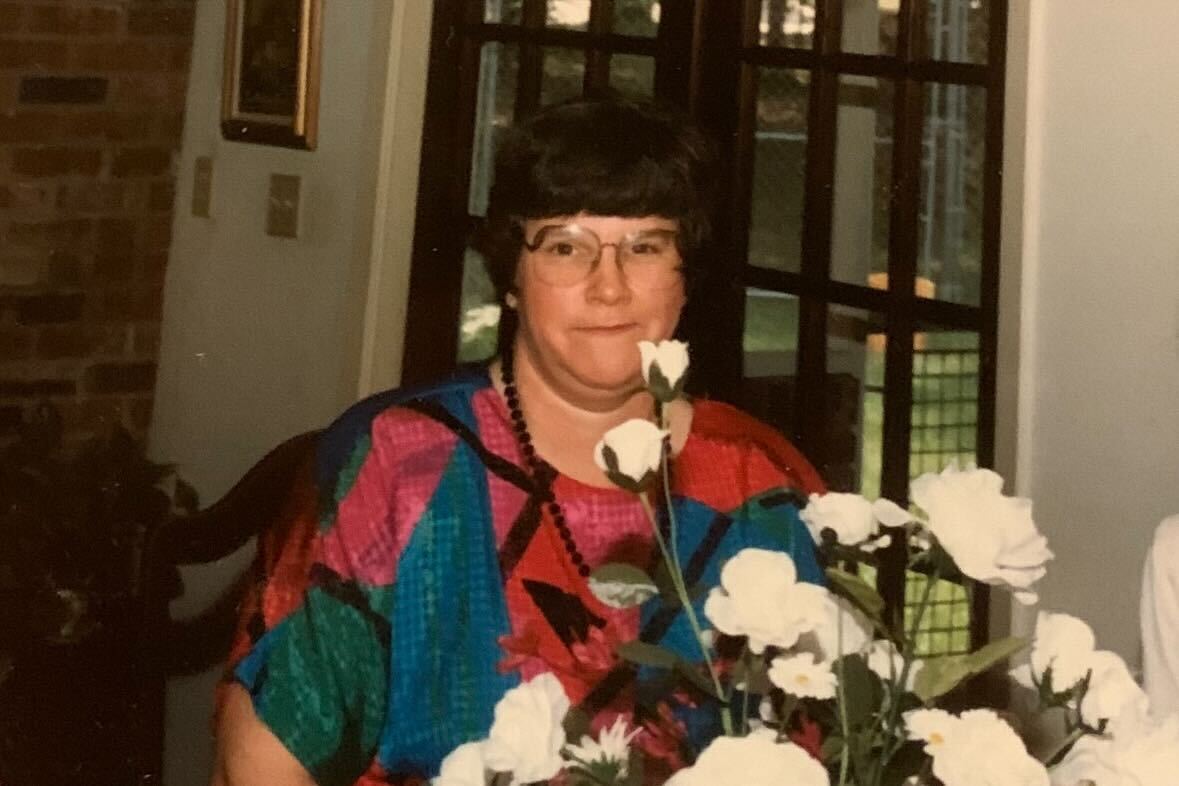
My grandmother Mary Jane died in 2005, her lungs destroyed by decades of cigarette smoke. When my dad was deployed to Iraq, she more or less raised me. And so when cancer finally took her life, I took it hard.
Her death had been a long time coming. And that meant the weeks before were spent in the same circuit: the long drive to an out-of-town hospital. The cool plastic touch of a hotel air conditioner. And the sense—always—that in those moments at her bedside, we were never able to say what we needed to.
Lung cancer is a predictable end for a smoker. When she was rushed to a hospital, everyone knew what was going on. I was a product of the '90s “Reject All Tobacco” campaigns. Part of those had me going home to shame my grandmother about her Marlboros. And I remember the clarity I had about her smoking. It’s going to give you cancer. And in the end, it did.
This fall, I’m going to become a father—a girl. And among the spiraling worries that wake me at night, I find myself thinking a lot about Iowa’s rising cancer rates.
Each year, the Iowa Cancer Registry issues a new report. A kind of state-of-the-state on the disease. And over the years, it’s gotten worse.
Iowa has the second-highest cancer rate in the United States. It’s the only state where the rate of cancer is continuing to rise. More than one in 20 people in Iowa has had a diagnosis of cancer.
RELATED: What is behind Iowa’s cancer crisis?
I had a coworker call me once. She’d been reporting in the state for years. She’d just gotten done managing her mother’s cancer diagnosis when she was assigned to report on the Iowa Cancer Registry’s newest report. She called me in tears, wondering which side of the statistic she’d be on.
Today, I’m unpacking a bassinet that will go in my daughter’s bedroom. And I’m wondering which side of the statistic I will be on. I’m wondering—and I say this with all the love of this place that I have—what health decisions I’m making for my daughter by raising her here.
This isn’t just cigarettes anymore. It’s the water we drink, the air we breathe, and the chemicals that surround us in ways my grandmother never could have imagined. It’s about a state where three out of four homes have dangerous levels of radon, where thousands of wells contain nitrates which are linked to cancer, and where we use more pesticides per square mile than almost anywhere else in the country.
It’s important to say up front that no one force fully explains why so many Iowans are getting cancer. That’s just not how cancer works. But to understand the growth, you have to dig into a confluence of environmental contamination, policy failures, and systemic healthcare gaps that together create what Des Moines oncologist Dr. Richard Deming called “a bath of agricultural chemicals” stretching across the state.
My grandmother Marie Jane made a choice to smoke, and that choice cost her decades of life. Decades I still wish I had with her. Today, Iowans face cancer risks they never chose—risks that seep into our groundwater, drift through our air, and accumulate in our bodies without our knowledge or consent. That feels fundamentally different and fundamentally unfair.
This is why Iowa Starting Line is launching “The Hot Spot: Investigating Cancer in Iowa,” a comprehensive look at why our state stands alone in its rising cancer rates. Over the coming weeks, we will dig into the environmental factors, the policy failures, and the systemic issues that have created Iowa’s cancer crisis. We’ll investigate everything from agricultural chemical use to radon exposure to healthcare access barriers in rural areas.
But this series isn’t just about problems. One of Iowa’s great reporters, Tony Leys, told me recently that the best thing health care reporting can do is tell people what they can do about the problems you investigate. We’ll examine what other agricultural states have done to protect public health while maintaining productive farming economies. We’ll spotlight the researchers, advocates, and everyday Iowans who are fighting for change. And we’ll provide practical information about cancer screening, water testing, and ways individuals can reduce their risk.
Most importantly, we’ll center the human stories behind these statistics. Every cancer case represents someone’s grandmother, parent, spouse, or child. These aren’t just numbers on a chart—they’re Iowans whose lives have been cut short or forever changed.
I think about Marie Jane often as I work on this project. She lived in an era when Philip Morris International suppressed the science about smoking causing cancer. We didn’t fully understand the health consequences of our choices and our policies then. And to some extent, I wonder if we do now.
I want to be clear: The project will not show how X or Y is responsible for Iowa’s cancer rates. We will instead try to decode the myriad environmental factors and regulatory failures that created this crisis. Because while the answer is not simple, the evidence is mounting, and the human cost is undeniable.
My child will grow up in Iowa, and I want them to inherit a state that prioritizes their health over corporate profits, their future over short-term convenience. That’s going to require uncomfortable conversations about how we farm, what we allow in our environment, and whether we’re willing to make the policy changes necessary to protect the next generation.
I want every Iowan to have the chance to see their grandchildren grow up, to celebrate more birthdays, to live full lives in the state they love. Making that possible will take all of us—readers, policymakers, farmers, business leaders, and advocates—working together to build a healthier Iowa.
The stakes couldn’t be higher. Our children’s lives may literally depend on what we do next.