By Zachary Oren Smith
Iowans are comparatively more likely to be diagnosed with cancer than our neighbors across the country. But one clear message that keeps appearing in our investigation, The Hot Spot, is that you can reduce your cancer risk.
We spoke with multiple oncologists and other specialists who stressed that just because cancer rates are high, just because environmental causes are prevalent, doesn’t mean that personal decisions don’t have a role to play. We’ve collected six pieces of advice from the experts we spoke with in hopes to give you a sense of what you can do to reduce your risk today.
1. Don't smoke. And if you do, try to quit.
This remains the single most important thing you can do. Smoking causes nearly 20% of all cancer cases and 30% of cancer deaths, making it far and away the leading preventable cause of cancer.
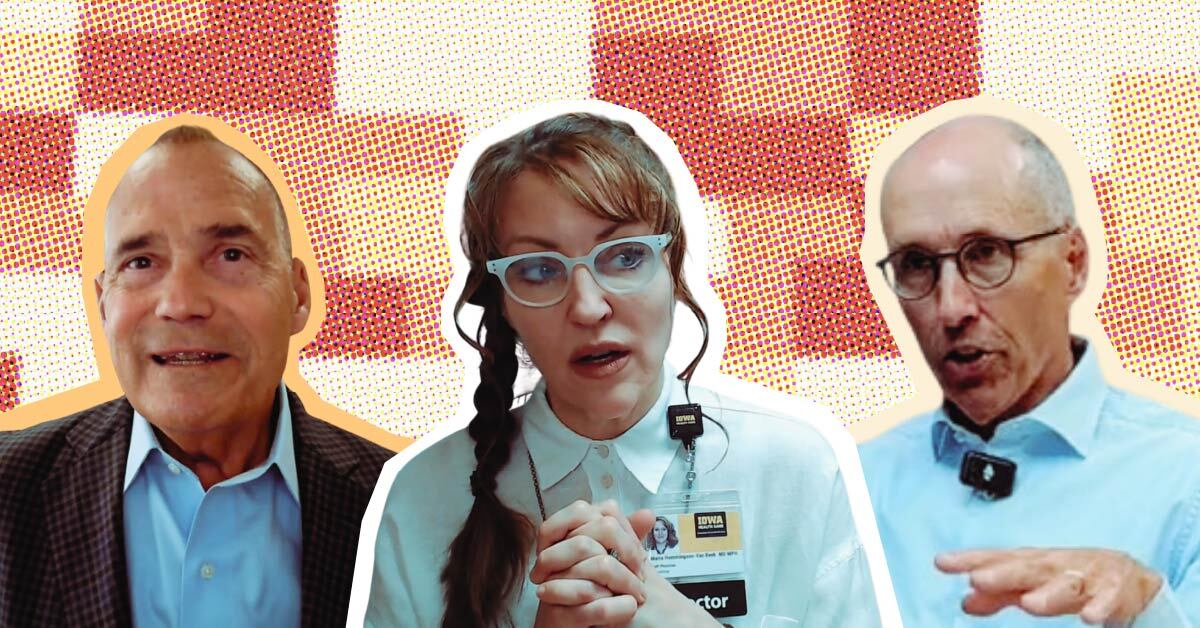
"Even in this day and age, with as long as we've known about cigarette smoking and with public policy, it still is the number one cause of cancer in terms of modifiable risk factors," said Dr. Richard Deming, the medical director of MercyOne Richard Deming Cancer Center in Des Moines.
The connection runs deep. Smoking increases your risk for lung cancer, mouth cancer, throat cancer, bladder cancer, kidney cancer, pancreatic cancer, and more. Between 80% and 90% of lung cancer deaths are linked to smoking cigarettes.
Iowa has made progress here. We've dropped from 47% of adults smoking in the 1970s to about 12.5% today. But we still smoke slightly above the national average. And as Dr. Andrew Nish, the medical director for the John Stoddard Cancer Center at UnityPoint Health in Des Moines, points out, we haven't raised the state’s tobacco tax since 2007.
"The biggest impediment for a teenager to start smoking is price," Nish said.
2. Maintain a healthy weight and stay active
Obesity and lack of physical activity together cause almost as many cancers as smoking. Being overweight is associated with a higher risk of cancers like breast cancer, colon cancer, endometrial cancer, liver cancer, kidney cancer, and others.
"Obesity is emerging, in some ways, as just as potent of a risk for people as smoking is," said Dr. Marcus Plescia, the chief medical officer for the Association of State and Territorial Health Officials, in an ABC News report.
Dr. Nish emphasized that movement throughout the day matters more than formal exercise routines.
"The longer we sit, the higher risk for diabetes, obesity, heart disease, and even cancer," he said. "Every 45 minutes, you need to be out of the chair, walking, do pushups, wall sits. I don't care what you do, but you gotta move."
The American Cancer Society recommends 150 to 300 minutes of moderate exercise or 75 to 150 minutes of vigorous exercise each week. But even small changes help. Take the stairs. Park farther away. Stand while talking on the phone.
3. Eat real food
Ultra-processed foods have flooded our grocery stores over the past 50 years, and our bodies are paying the price. Dr. Nish described how we've moved from the occasional TV dinner in the 1950s to entire aisles of processed foods today.
"If it didn't come from nature, don't eat it," he tells his patients. This means choosing whole fruits and vegetables over fruit snacks, fresh meat over processed lunch meat, and foods with ingredients you can pronounce.
The American Cancer Society recommends eating at least 2.5 to 3 cups of vegetables and 1.5 to 2 cups of fruit daily. Focus on variety and color. Dark leafy greens, bright orange vegetables, berries, and citrus fruits all pack cancer-fighting nutrients.
4. Limit alcohol
Even small amounts of alcohol increase cancer risk. (This will be our next letter's topic!) There's no controversy here among cancer researchers, even though you might hear conflicting messages about heart health.
"A little bit of alcohol still can increase the risk of cancer," Dr. Deming said. "The more you drink, the more likely you are to get one of the cancers caused by alcohol consumption."
Alcohol increases your risk for cancers of the mouth, throat, liver, breast, and colon, among others. Iowa has particular challenges here. We're third in the nation in binge drinking, defined as four or more drinks for women or five or more for men in a single sitting.
Surprisingly, the highest rates of binge drinking occur among people with higher incomes, suggesting this isn't primarily a socioeconomic issue but a cultural one.
5. Protect your skin
Iowa ranks fifth nationally for melanoma, the deadliest form of skin cancer. Dr. Marta Van Beek, a dermatologist at UI Health Care, explained this largely comes down to our agricultural workforce spending long hours outdoors.
"It’s much more common in people who work outdoors. Much more common in people with fair skin," she said, describing Iowa's particular risk factors.
The recommendations are straightforward: wear sunscreen (reapply every two hours), cover up with long sleeves and hats when possible, and stay out of tanning beds entirely.
"The recommendation is do not use a tanning bed," Dr. Van Beek said emphatically.
If you must have darker skin, spray tans are completely safe and, as Dr. Van Beek notes, "they've come a long way in the last couple decades."
6. Get vaccinated and stay current on screenings
Some cancers are caused by viruses you can prevent. The HPV vaccine, typically given around age 11 or 12, prevents cervical cancer and several other cancers. Hepatitis B vaccination prevents liver cancer.
Regular screening saves lives by catching cancer early when it's most treatable. Current guidelines recommend:
-
Mammograms starting at age 40, every 1-2 years
- Colonoscopies starting at age 45 (or 50 depending on risk), every 10 years
-
Pap/HPV tests starting at age 25, every 3-5 years depending on the test
- Lung cancer screenings for people 50-80 with significant smoking history
"Do screening to find cancers at an early stage," Dr. Deming emphasized. "Screenings don't reduce the risk of getting cancer, but they allow you to find it at an early stage when treatment is most effective.”